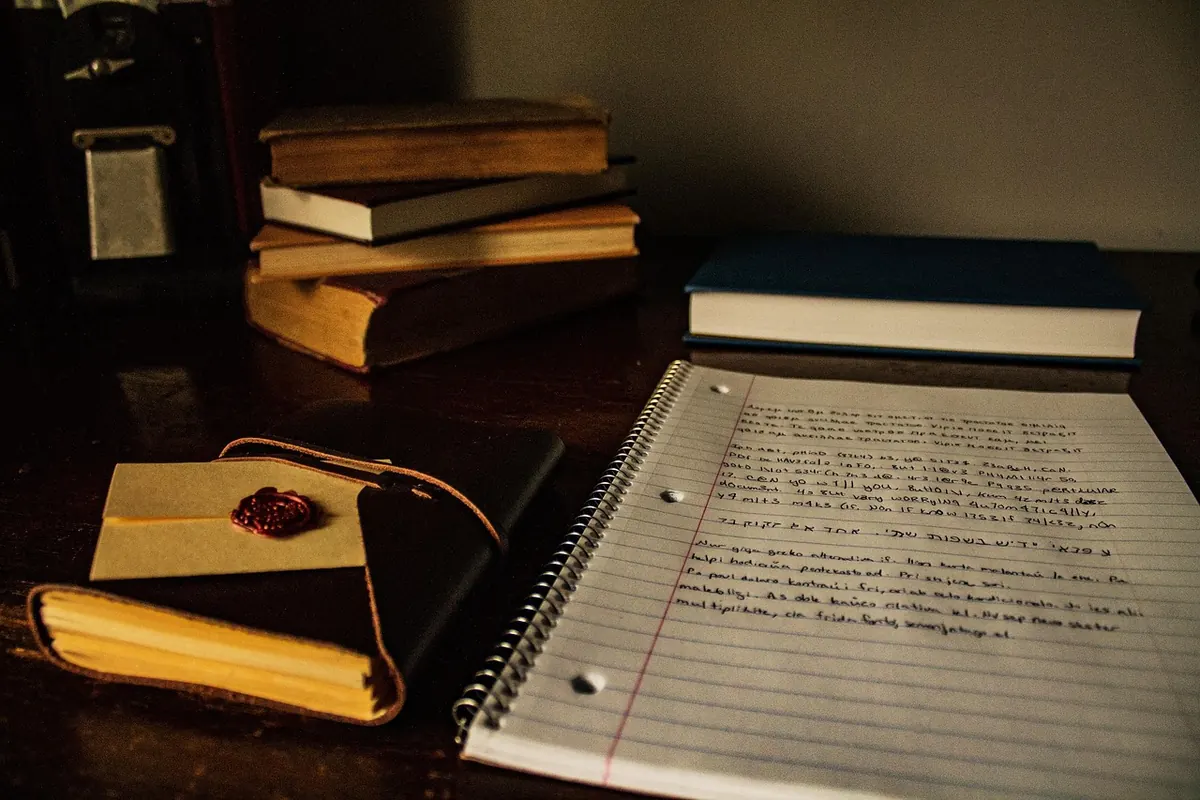
Autumn arrives with its own deadlines. The light leaves earlier each evening, the garden gives up, and somewhere a radiator starts knocking at six in the morning. For a writer, that shift is useful. The season hands you a mood, a set of objects, and the sense that something is ending, without asking you to explain any of it. These twenty prompts are built to turn that pressure into finished flash fiction — stories of 300 to 1,000 words, written in a sitting or two. Pick one, set a timer, and see what the season does.
Why the Season Suits Short Fiction
Flash fiction works best when a single scene carries more weight than it should. Autumn is full of those scenes: the last cookout, the first frost, the coat that comes out of storage smelling of last year. The season is also honest about consequence. Fields get cut, shelves get stocked, and the days shorten whether you are ready or not. That is the same engine a short story runs on — one small change that cannot be undone.
You do not need pumpkins on every page. A story can feel autumnal because a character is tired by four in the afternoon, or because the bus is late and it is already dark. Use the season as pressure, not decoration.
How to Use the Prompts
Read all twenty first. Notice which one makes you argue with it — that is usually the one to take. Then write before you plan. A prompt is a door, not a floor plan, and you are allowed to walk through it and forget it entirely.
Three ways in:
- Straight: write the scene the prompt describes and follow it to its natural end.
- Sideways: use the prompt for the second paragraph only. Start somewhere unrelated and let it arrive.
- Against: take the premise and refuse it. If the prompt wants nostalgia, write something cold and funny instead.
Whatever you choose, finish the draft in one sitting. A flawed ending teaches you more than a perfect opening page.
Twenty Prompts for Autumn Flash Fiction
Each prompt comes with a suggested length. Treat these as ceilings, not quotas.
Weather and Light
- 1. The last warm day. A character keeps a coat on in the heat because of what is underneath. Let someone ask about it. (600 words)
- 2. Frost on the windshield. Two neighbours scrape ice at six in the morning and finally say the thing they have avoided all year. (500 words)
- 3. The extra hour. The clocks go back. One character gains an hour and another loses one. (700 words)
- 4. The third day of rain. A leak, a shared bucket, and a conversation that only happens because nobody can go outside. (500 words)
- 5. Fog at the bus stop. Someone lets the bus pass on purpose. Make the reason clear without stating it. (400 words)
Objects and Rituals
- 6. The wrong-size sweater. Hand-knitted, two sizes too big, worn every week anyway. Who made it, and what does the wearer owe them? (600 words)
- 7. The missing ingredient. A family recipe with one line crossed out. Someone cooks it deliberately wrong. (700 words)
- 8. The leaf pile. A child is told not to jump in it. Across the street, an adult remembers being told the same. (400 words)
- 9. The thermos on the wall. Hot coffee left at the end of a driveway every morning. Nobody has seen who takes it. (500 words)
- 10. First fire of the year. Woodsmoke pulls a character back to a house they no longer have. Keep the memory to one paragraph. (600 words)
People and Encounters
- 11. The school bus. A parent waits at the stop long after the children have gone. The driver notices something the parent does not. (500 words)
- 12. The orchard job. A seasonal picker knows the trees better than the owner does. Write the moment the owner realises it. (700 words)
- 13. The costume in daylight. An adult runs an ordinary errand in costume, weeks before any party. Nobody comments. That is the story. (400 words)
- 14. The pumpkin that moves. Every morning the neighbour's pumpkin sits a little closer to the road. Keep it realistic or don't — but pick one. (500 words)
- 15. Last market of the season. A stallholder sells nothing and stays until closing. Two customers arrive at ten to. (600 words)
Odd Turns
- 16. Something changed at two in the morning. The clocks went back. Only one character notices the photograph on the wall is different. (700 words)
- 17. The vote. A small town decides whether to hold its harvest festival, told by the person counting hands. (600 words)
- 18. The bench, the photograph. Same spot, same pose, every October for twelve years. This year someone steps into the frame. (500 words)
- 19. Second summer. A warm week arrives in late October. A character makes the decision they postponed in June. (700 words)
- 20. Snow before the leaves fall. End the story with a door left open. Do not explain who left it. (400 words)
Five Constraints to Sharpen a Draft
Constraints do more for a first draft than inspiration usually manages. Apply one, not all five.
- One room. Everything happens in a kitchen, a car, or a stairwell. No scene changes.
- Three weather words. You get three mentions of weather in the whole story. Spend them where they hurt.
- No proper nouns. No names, no towns, no brands. See what has to become specific instead.
- Start late. Cut the first paragraph and begin at the second. Then cut again.
- Three lines of dialogue, maximum. Let the silence and the objects do the arguing.
A Forty-Five Minute Session
- Minutes 0–5: choose a prompt, write one sentence about who wants what, and begin.
- Minutes 5–35: write without stopping. No rereading, no fixing, no checking the word count.
- Minutes 35–40: read it once, aloud if you can. Mark the place where the story actually starts.
- Minutes 40–45: cut everything before that mark, then write a last line that changes the first one.
That is a complete draft. It will not be good, and it does not need to be. You are collecting material, not publishing yet.
Keep the Ones That Surprise You
Not every prompt will produce a story. Out of twenty attempts, three or four will have a pulse — a line you did not plan, a character who behaved badly in an interesting way. Put those aside for a week, then reread them on a dull afternoon. The ones you are still curious about are the ones worth revising down to 500 words, reading aloud, and sending somewhere.
The season is short. Write while the light is doing what it does.
Photo: Eugene Golovesov / Pexels